
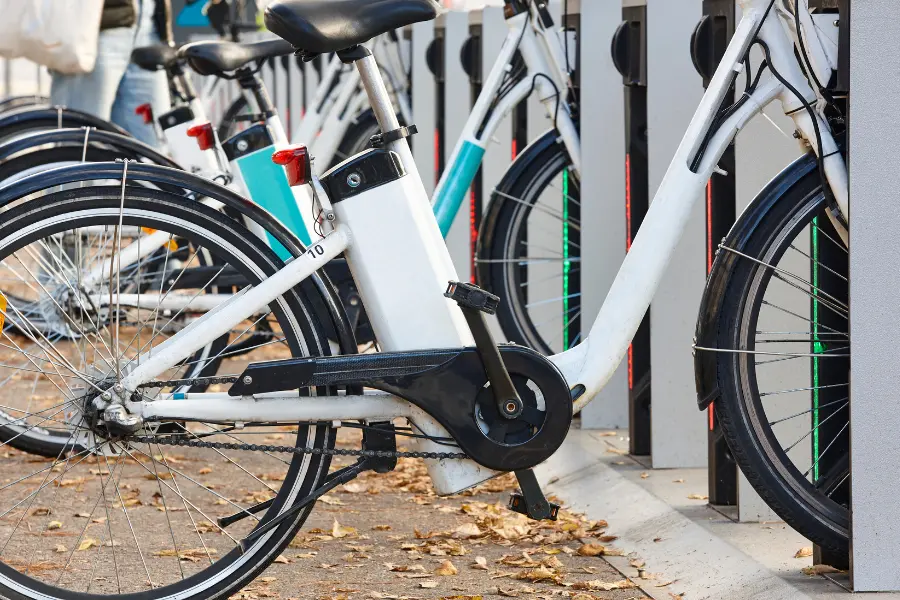
An e-bike battery fire can start with a pop and a puff of smoke and fill a Bradenton home in minutes. When a defective battery, charger, or electrical system causes the fire, the manufacturer, the battery maker, and the seller can be held responsible for the burns, smoke injuries, and deaths that follow.
Fire Prevention Week runs October 4 through 10, 2026, and the National Fire Protection Association built this year's campaign around one message: safe charging. The theme, "Charge into Fire Safety: Safe Charging Is a Superpower," is the second year in a row the national campaign has focused on lithium-ion batteries. That focus hits close to home on the Suncoast, where e-bikes are everywhere, from Anna Maria Island rentals to commuters on Manatee Avenue, and where our heat, humidity, and hurricane season put extra stress on the batteries that power them.
At Heintz Law, founding partner Steven E. Heintz and our Bradenton personal injury attorneys represent people burned and families harmed when a product fails in a way it never should. E-bike and scooter battery fires fall squarely within our defective product injury practice. This Fire Prevention Month, our Manatee County product liability lawyers want Suncoast riders to know how to charge safely, how to spot a failing battery, and what rights an injured person has when a battery fire causes harm.
[INSERT FIRM CTA SHORTCODE HERE]
Fire Prevention Week 2026 runs October 4 through 10 with the theme "Charge into Fire Safety: Safe Charging Is a Superpower." The campaign teaches families how to buy, charge, store, and dispose of lithium-ion batteries in e-bikes, e-scooters, phones, and other rechargeable devices to cut the risk of a home fire.
Fire Prevention Week falls each year during the week of October 9 to mark the anniversary of the Great Chicago Fire of 1871. It is the longest-running public health observance in the country, and many fire departments stretch the message across October as Fire Prevention Month. Local departments across Manatee and Sarasota counties use the week for open houses, school visits, and safety demonstrations.
The battery focus is not an accident. The U.S. Consumer Product Safety Commission has tracked dozens of deaths tied to fires in e-bikes, e-scooters, and hoverboards, and in 2026 the agency proposed a mandatory federal safety standard for the lithium-ion batteries used in these products. Closer to home, Sarasota County Fire Department reported responding to six major lithium-ion battery fires in the first half of 2026 alone, including a June house fire that started when an e-bike battery was charging in a bedroom.
E-bike batteries catch fire through thermal runaway. A damaged, defective, or overcharged lithium-ion cell overheats, sets off the cells around it, and releases flammable, toxic gas. The chain reaction can produce flames, explosions, and thick smoke in seconds, and it is extremely hard to put out once it starts.
An e-bike battery pack holds dozens of individual cells wired together and controlled by a battery management system, a small circuit board that is supposed to stop the pack from overcharging, overheating, or discharging too far. When that system is poorly designed, missing, or cheaply built, nothing stops a failing cell from spreading heat to the rest of the pack. Common causes of e-bike battery fires include:
The CPSC's own data shows that charging is the most dangerous moment. In the agency's review of micromobility incidents from 2019 through 2023, more than half happened while the product was plugged in.
Yes. Lithium-ion batteries degrade faster and run hotter in high temperatures. A battery left in a sun-baked garage, a car, or a lanai on a Bradenton summer afternoon can reach temperatures that stress the cells, and charging a battery that is already hot adds even more heat to the pack.
Most e-bike manufacturers list a safe operating and charging temperature range in the owner's manual, and a closed Florida garage in July can blow past it. Heat also shortens battery life, which pushes owners toward cheaper replacement batteries sooner. Sarasota County fire officials have urged residents to keep lithium-ion products out of direct sunlight and in a cool place outside the bedroom.
Humidity and coastal air add another layer. Salt and moisture can corrode connectors and circuit boards over time, especially on bikes stored outdoors near the Manatee River, Palma Sola Bay, or the Gulf beaches.
Yes, and this is one of the most important Florida-specific risks. Saltwater from storm surge can corrode a battery's internals and cause a short circuit that ignites days or even weeks after the water recedes. A flooded e-bike or scooter should never be charged or stored inside the home.
After Hurricane Helene in 2024, Florida's State Fire Marshal confirmed at least 16 lithium-ion battery fires in storm surge areas, involving electric vehicles, e-scooters, hoverboards, golf carts, and even children's battery-powered toys. The Fire Marshal urged residents to move any flooded battery-powered vehicle or device away from the home into a clear open space and not to charge it.
With Atlantic hurricane season running through November 30, Manatee County riders should treat any e-bike that sat in floodwater as damaged. Have it inspected by a qualified shop, contact the manufacturer, and ask your local government about safe disposal options before bringing it back indoors.
Charge with the manufacturer's charger, on a hard surface, in a cool spot away from exits and bedrooms, while you are awake and nearby. Unplug once the battery is full, never charge a hot or damaged battery, and buy only e-bikes and batteries certified by a nationally recognized testing lab.
The safe charging habits promoted during Fire Prevention Week line up with what local fire departments tell Suncoast families year round:
Renters, condo owners, and vacation rental guests should also check building rules. Many Suncoast apartment complexes and HOAs now limit where e-bikes can be stored or charged.
Stop using an e-bike battery right away if it swells, leaks, smells odd, changes color, feels unusually hot, makes hissing or popping noises, or will not hold a charge. These are signs of internal damage that can come before thermal runaway and a fire.
Move a failing battery outside and away from anything that can burn, if you can do so safely. If it is smoking or burning, get everyone out and call 911. Do not try to put out a lithium-ion battery fire with a small extinguisher or water from a garden hose, since these fires can reignite.
Check the CPSC's recall database for your e-bike, battery, and charger by brand and model. The agency issues recalls and public warnings for micromobility batteries on a regular basis, and a recall notice can be important evidence if a fire later happens.
Responsibility for an e-bike battery fire can fall on anyone in the chain that designed, built, or sold the product, including the e-bike brand, the battery or cell manufacturer, the charger maker, the importer or distributor, and the retailer. A landlord or property owner may also share fault in some situations.
Many e-bikes sold in Florida are assembled from parts made by several different companies overseas, then imported and sold through online marketplaces or local shops. Our Bradenton defective product attorneys look at every link in that chain. Parties who may share responsibility include:
When a fire spreads through an apartment building, condo, or rental home, neighbors and guests who never owned the e-bike can be injured too. Those cases can involve both a product claim and a premises liability claim against the property owner.
Florida law allows injured people to bring strict products liability claims for design defects, manufacturing defects, and failure to warn, along with negligence claims. Under strict liability, the injured person does not have to prove the company was careless, only that the product was defective and the defect caused the harm.
The claims our Manatee County e-bike battery fire lawyers most often develop include:
The outside professionals we retain, including electrical engineers and fire cause and origin investigators, examine the burned battery, charger, and scene to trace where the fire started and why.
It can change who is responsible, but it does not end the case. The company that made or sold an unsafe replacement battery can be liable for its defects. Defendants may argue the rider misused the product, and Florida's modified comparative fault rule means those arguments need a careful answer.
Under Florida's modified comparative fault rule, a jury can reduce an injured person's recovery by that person's share of fault, and a person found more than half at fault generally cannot recover. Manufacturers and their insurers often try to shift blame by pointing to an aftermarket charger, a modification, or a charging habit. The facts often push back: a product must be reasonably safe for the ways people foreseeably use it, and warnings buried in fine print may not be adequate. Our attorneys build the evidence needed to answer blame-shifting arguments from the start.
For guests injured in a fire they did not cause, such as a child asleep in the next room or a neighbor in the same building, the comparative fault question usually looks very different. You can learn more about how injuries affect young people on our children's injury page.
Get medical care first, then protect the evidence. Keep the burned battery, charger, e-bike, and packaging. Do not throw anything away or hand it to an insurance adjuster or manufacturer. Photograph the scene, save the receipt and model information, and request the fire department's report.
The battery itself is often the single most important piece of evidence in the case, and it is easy to lose in the cleanup. Take these steps as soon as you safely can:
Florida's deadlines to file a claim are short, and some of the deadlines that apply to injury and wrongful death cases can be as short as two years. Early preservation letters to the manufacturer and seller can also keep key records from disappearing.
People injured in an e-bike battery fire can seek past and future medical expenses, past and future lost earnings and earning capacity, past and future pain and suffering, disfigurement and scarring, and loss of enjoyment of life. Families of people killed can bring a wrongful death claim.
Burn injuries often mean long hospital stays, skin grafts, reconstructive surgery, physical therapy, and permanent scarring. Smoke inhalation can cause lasting lung damage. The value of a claim depends on factors such as the severity and permanence of the injuries, the medical record, the impact on work and daily life, and the strength of the evidence tying the fire to a defect. No attorney can promise a result, but our lawyers fight to make sure every category of loss the law allows is documented and presented.
When a battery fire takes a life, the personal representative of the estate can bring a claim on behalf of surviving family members. Our Bradenton wrongful death attorneys handle these cases with the care and preparation they demand. Riders hurt in e-bike crashes rather than fires can also read our guide to common injuries from e-bike accidents, and scooter owners can find more on our electric scooter accident page.
Our Bradenton e-bike battery fire attorneys build every case as if a jury will hear it. That means preserving the product early, tracing the supply chain, retaining engineers and fire investigators, and preparing the case for trial from the first day.
Personal injury cases at Heintz Law are handled on a contingency basis. There is no fee unless there is a recovery.
Steven E. Heintz and our trial team represent injured people and families across Manatee County and the Suncoast in serious injury and wrongful death cases. The firm prepares every file for trial, because that readiness shapes how insurers and manufacturers respond to a claim.
Product fire cases often pit an injured family against large manufacturers, foreign suppliers, and their insurers. Our Bradenton product liability lawyers take on that fight with careful preparation, the outside professionals the case requires, and a willingness to go before a Manatee County jury.
If you or a loved one was burned or a family member was killed in an e-bike or scooter battery fire, Heintz Law can review what happened and explain your options. Visit our office at 905 6th Avenue West, Bradenton, FL 34205, or reach our Bradenton personal injury attorneys today.
Have our 30 years of experience in personal injury go to work for you. No fees or costs unless we get results.
☎ Call NowThis blog is attorney advertising. It is provided for general informational purposes only and is not legal advice. Reading it does not create an attorney-client relationship. Prior results do not guarantee a similar outcome.
Attorney Advertising | Prior results do not guarantee a similar outcome. The information on this website is for general information purposes only. Nothing on this site should be taken as legal advice for any individual case or situation. This information is not intended to create, and receipt or viewing does not constitute, an attorney-client relationship. This site is protected by reCAPTCHA and the Google Privacy Policy and Terms of Service apply.